The completed final draft script for the half-hour preview special.
Before the scheduled premiere of ULTRAMAN on July 17, 1966, the TBS network proposed to bump up the broadcast date of the first episode ("Ultra Operation: No. 1") a week early, since the rival Fuji Television network were debuting their own color kaiju series on July 4th: AMBASSADOR MAGMA (which would beat Tsuburaya Productions’ show to the airwaves by nearly two weeks).
Eiji Tsuburaya told TBS that there would be no way to get the first episode on-air by the 10th, since the episodes were being shot out of sequential order and ULTRA Q was set to air its final episode on July 10th. Unfortunately, since it featured nary a monster, TBS already decided to pull the final episode of ULTRA Q, "Open Up!" (eventually broadcast in rerun on December 14, 1967).
So, at the beginning of June, TBS began considering options to cover the gap and give the Tsuburaya Productions the time needed to finish the premiere episode of ULTRAMAN. Then, after meetings between the network, Tsuburaya, and the sponsor, Takeda Pharmaceuticals, it was decided to produce a live, nationwide relay broadcast on July 10th and introduce Ultraman to the Japanese public.
Tentatively titled the "Ultraman Eve Festival", TBS Producer Takashi Kakoi, director Akio Jissoji (of "Modern Leaders"-fame), and writer Yuzo Higuchi (who was in charge of production on Ultraman from the TBS side), were appointed to supervise this live television special. The producers chose Tokyo’s Suginami Public Hall to host this television event.
Through a number of brainstorming sessions, Kinjo completed a preliminary teleplay, in which the three characters from ULTRA Q would appear on stage to bid their farewells to the audience. They planned to have actor Koji Ishizaka (Ultra Q's narrator) and popular singer Judy Ong appear as hosts, with the vocal group, The Bony Jacks, as the chorus singers for the special.
Tetsuo Kinjo wrote a revised second draft from the first, entitled "Ultraman: A Children’s Jamboree". Finally, after a third draft, dropping most of the early ideas (due to scheduling conflicts), the script was completed with the final title, "The Birth of Ultraman: An Ultraman Premiere Celebration". This new version, however, was more akin to a strange, high school production.
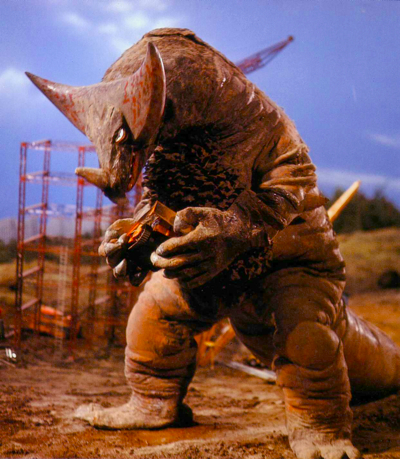
"Doctor Monster" devises a machine to bring back the monsters from ULTRA Q. kaiju are shuttled back and forth, then revolt, and joined by creatures appearing in ULTRAMAN. Anarchy ensues and Doctor Monster calls in the Science Investigation Agency. Even Eiji Tsuburaya was on hand, sitting in the audience like everyone else, before making his on-stage appearance with the cast of the new show.
While this was something of a mess, it served its purpose. The first episode of ULTRAMAN was delivered to TBS on July 13th, only four days before the initial broadcast, so it can be said that the decision to produce "The Birth of Ultraman" was a success, promoting the start of the series and introducing the characters of ULTRAMAN to the Japanese public, and striking back at Fuji Television.
ULTRAMAN's premiere the following Sunday, was a colossal success, and 50 years later, Ultraman kith and kin are still going strong as Japan’s foremost superhero — here's to another 50 years!
Now, watch the entire kinescope-captured special (no subtitles):
(By the way, Fuji Television's Ambassador Magma was later exported and broadcast in the US as The Space Giants.)